






Quick summary:
- 🏔️ At altitude, digestion changes: you can be very hungry… or not at all.
- ⌛ Hypoxia, cold, and exertion alter appetite and slow digestion.
- 🍫 Solutions: small regular intake, easily digestible foods, natural energy COOKNRUN.
Altitude and digestion: a complex duo
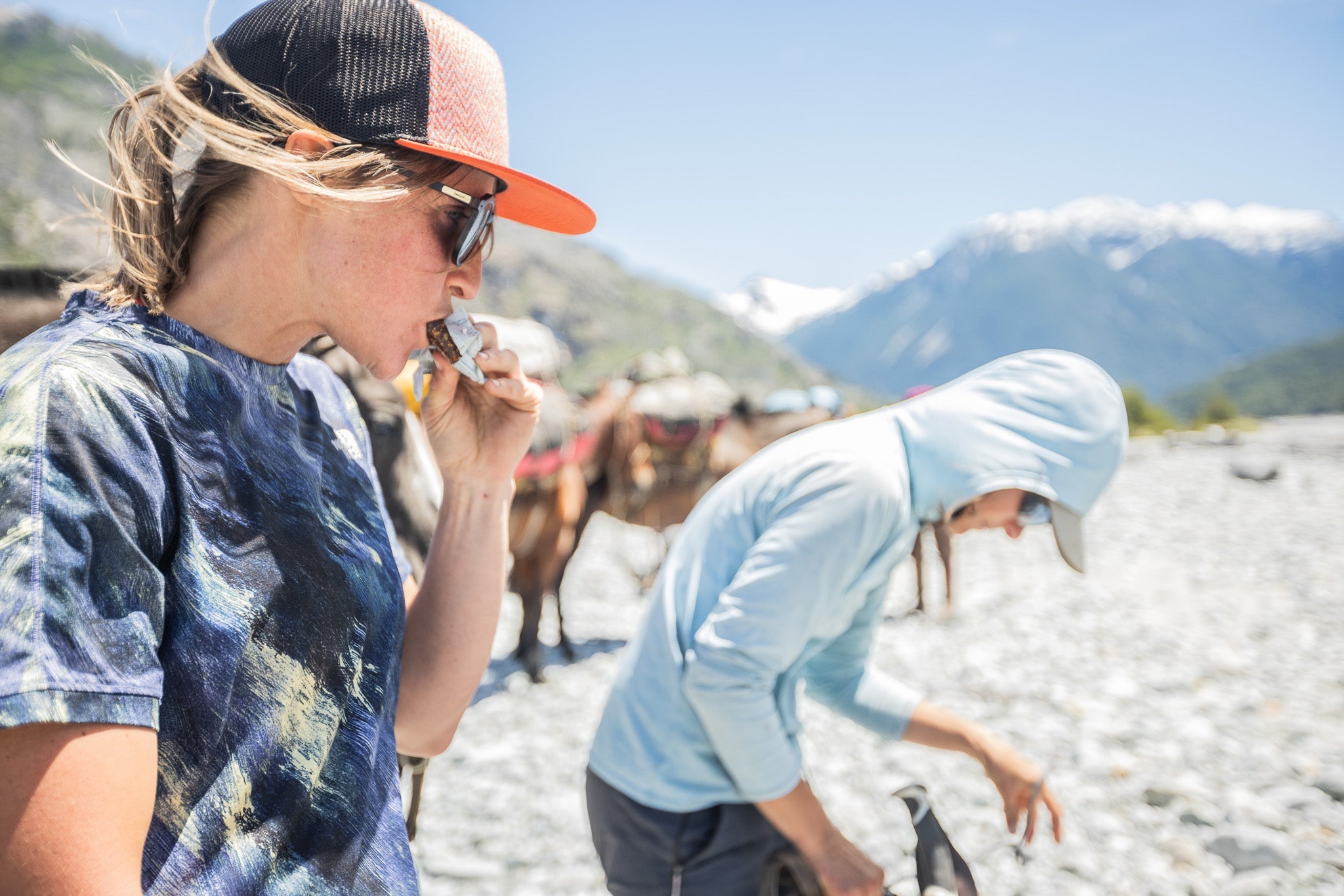
In the mountains, especially above 2000–2500 m, the body functions differently. Oxygen pressure drops, the body adapts, digestion slows down… and hunger signals become irregular.
👉 Result: some are extremely hungry, others can't swallow anything. Both reactions are normal.
Why do we sometimes feel less hungry at high altitudes?
1. Hypoxia: prioritize the brain, not the stomach
When oxygen levels decrease, the body protects vital areas:
- 🧠 brain, heart, muscles → increased blood flow
- ❌ Digestive system → reduced flow
Digestion slows down → so does appetite.
2. Disrupted appetite hormones
Altitude decreases ghrelin (the hunger hormone) and increases leptin (the satiety hormone). Your body thinks it's not hungry, even if you're expending a lot of energy.
3. Cold suppresses hunger
Cold increases thermogenesis but reduces the desire to eat, because the body prioritizes internal heat.
4. Stress + altitude + exertion = slowed digestion
Hypoxia and dehydration make the stomach more fragile and less efficient.
Why, on the contrary, can we be very hungry?
1. Energy expenditure +20 to +30%
Between the cold, the weight of the pack and the elevation gain, energy expenditure increases significantly. Your body is constantly demanding fuel.
2. Glycogen reserves that are depleted more quickly
At altitude, we use more carbohydrates → we get hungry faster.
3. Long climbs = constant need
After 2–3 hours of exertion, the hunger signal is a normal response.
What altitude really changes in digestion
| Effect | Digestive consequence |
|---|---|
| Oxygen depletion | Slowed digestion, reduced appetite |
| Cold | Thermogenesis ↑ → low hunger |
| Energy expenditure ↑ | Faster hunger or cravings |
| Dehydration | Nausea, heaviness, loss of appetite |
Even without hunger: how to eat well at altitude?
At altitude, eat before you feel hungry. The goal: maintain blood sugar levels, avoid hunger pangs, and prevent hypothermia.
The formats that work best
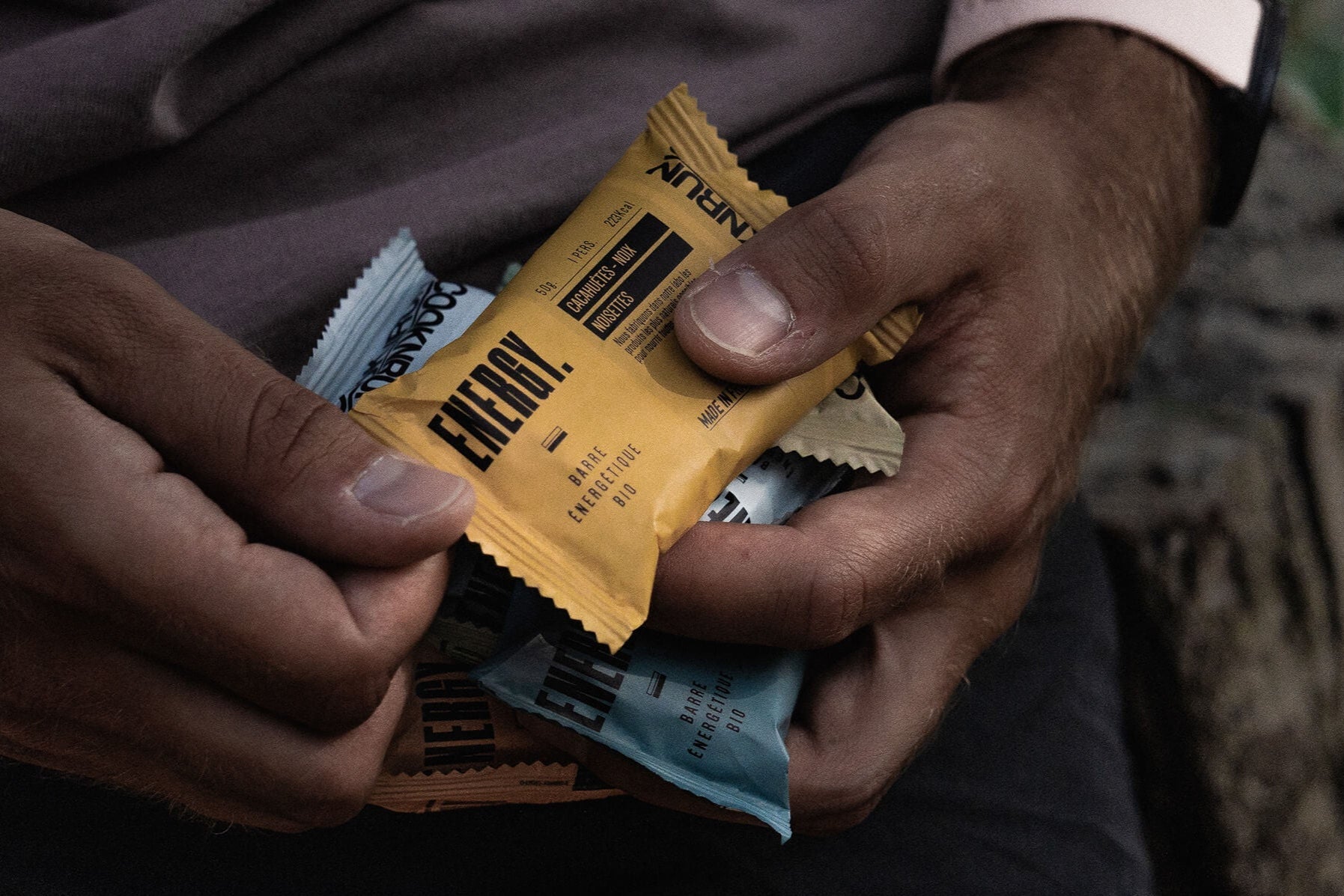
- 🍫 COOKNRUN Bars → digestible, soft, natural
- 🥭 K2 (dried fruits & oilseeds) → dense energy & easy to swallow
- 🧂 Ultra Crackers → perfect for boosting appetite & sodium
- 🍲 Savory bivouac meals for long breaks
- 🍧 Sweet bivouac meals for a comforting and carbohydrate boost
- 🍵 Organic herbal teas or hot teas to maintain hydration
Practical advice
- Eat every 45–60 minutes, even if you're not hungry
- Prevent dehydration from the start
- Prioritize natural carbohydrates on the climb
- Avoid large meals at altitude (digestion is too slow).
The key role of dehydration
Cold, dry air increases invisible fluid loss (breathing, perspiration). Even mild dehydration:
- suppresses appetite
- causes nausea,
- slows down digestion
- lowers lucidity.
💧 Tip: small regular sips, lukewarm drink, salt if long effort.
In summary
At altitude, appetite becomes unpredictable. But with a simple strategy and easily digestible foods, you can maintain stable energy levels even if your stomach can't keep up.
👉 COOKNRUN, K2, Ultra Crackers and Bivouac bars help you to fuel yourself naturally, easily, even when the mountain makes you lose your appetite.