




Quick summary of our article:
- 🏔️ In mountaineering, the cold, altitude and duration of effort considerably increase energy requirements.
- 🍫 Objective: to anticipate, eat regularly, stay hydrated and compensate for the loss of appetite related to altitude.
- 🥗 COOKNRUN products — organic bars, bivouac meals and sports drinks — support sustainable and digestible energy in high mountains.
Nutrition in mountaineering: a complete energy challenge
In the high mountains, every calorie counts. Between the cold, the altitude, decreased appetite, and long days of exertion, nutrition becomes an essential component of performance and safety. Eating well in mountaineering ensures your body has the capacity to produce heat, energy, and maintain concentration —even above 4,000 meters.
👉 Altitude and cold profoundly alter your metabolism: the body burns its reserves faster and digests less efficiently. It is therefore essential to anticipate and adapt your nutrition before, during, and after exercise.
1. Understanding the specific needs of altitude
The higher you go, the more your body has to adapt. At altitude, oxygen pressure decreases, breathing accelerates, and fluid loss increases. Add to that sub-zero temperatures, high energy expenditure, and a reduced appetite: it's the perfect recipe for exhaustion.
The combined effects of altitude and cold
- 🔥 Energy expenditure +20 to 30% : the body produces more heat (thermogenesis).
- ❄️ Increased mobilization of carbohydrates : the fastest source of energy in hypoxia.
- 💧 Accelerated dehydration : dry air and breathing increase invisible water losses.
- 🍽️ Decreased appetite : a phenomenon known as “altitude anorexia”.
Result: without proper nutrition, you risk early fatigue , hunger pangs or hypothermia .
2. Increase energy intake
Mountaineering combines prolonged effort, varying intensity, and constant exposure to cold. Your body needs a high, but above all, constant energy supply.
Before the climb
- 🍚 Opt for a meal rich in complex carbohydrates : rice, pasta, semolina, or a COOKNRUN bivouac meal ( tabbouleh , porridge).
- 🥑 Add good fats (oilseeds, rapeseed oil, almonds) for long-lasting energy.
- 💧 Drink regularly from the day before to arrive well hydrated.
During exertion
At altitude, digestion is slowed down. The goal is not to eat a lot, but often.
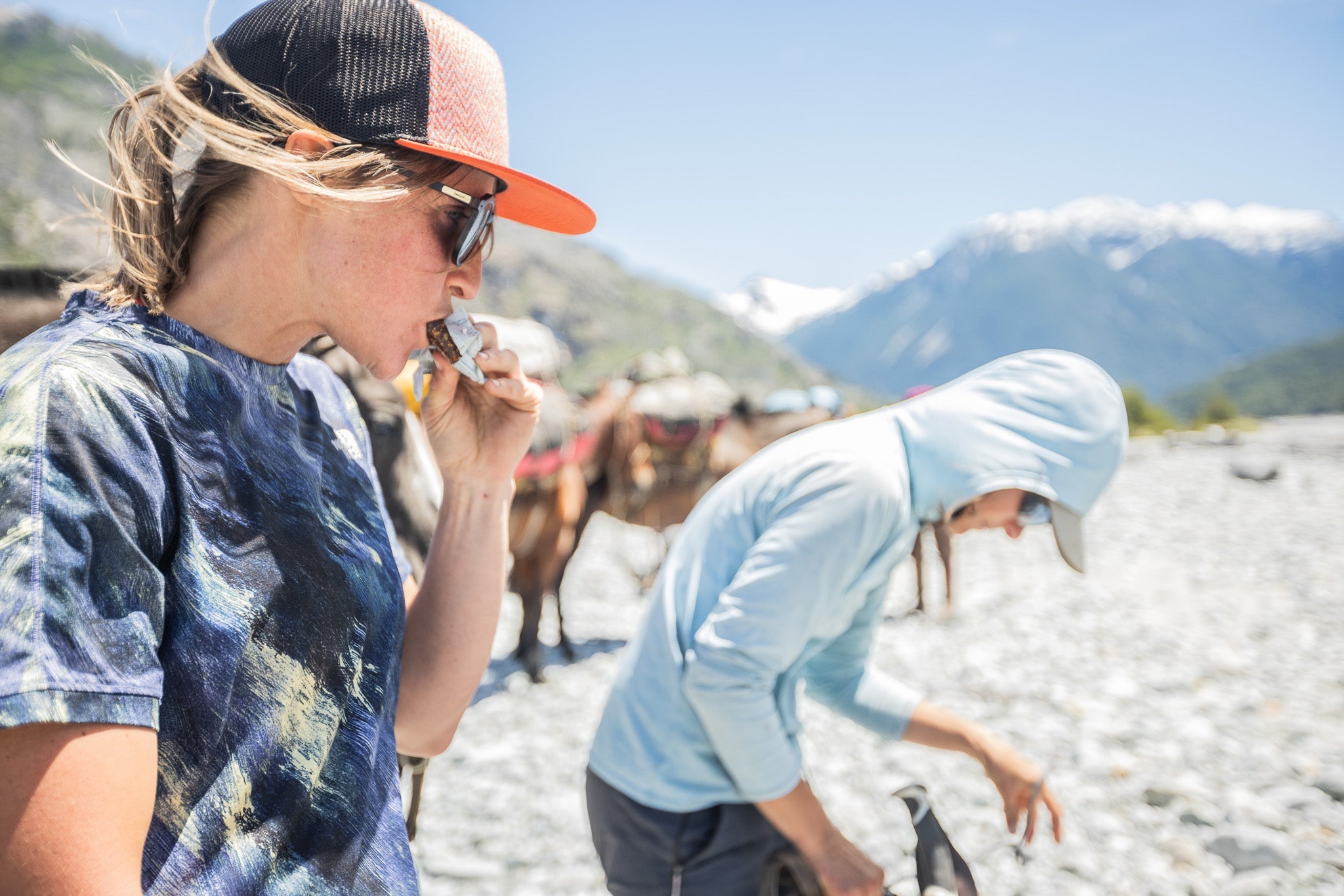
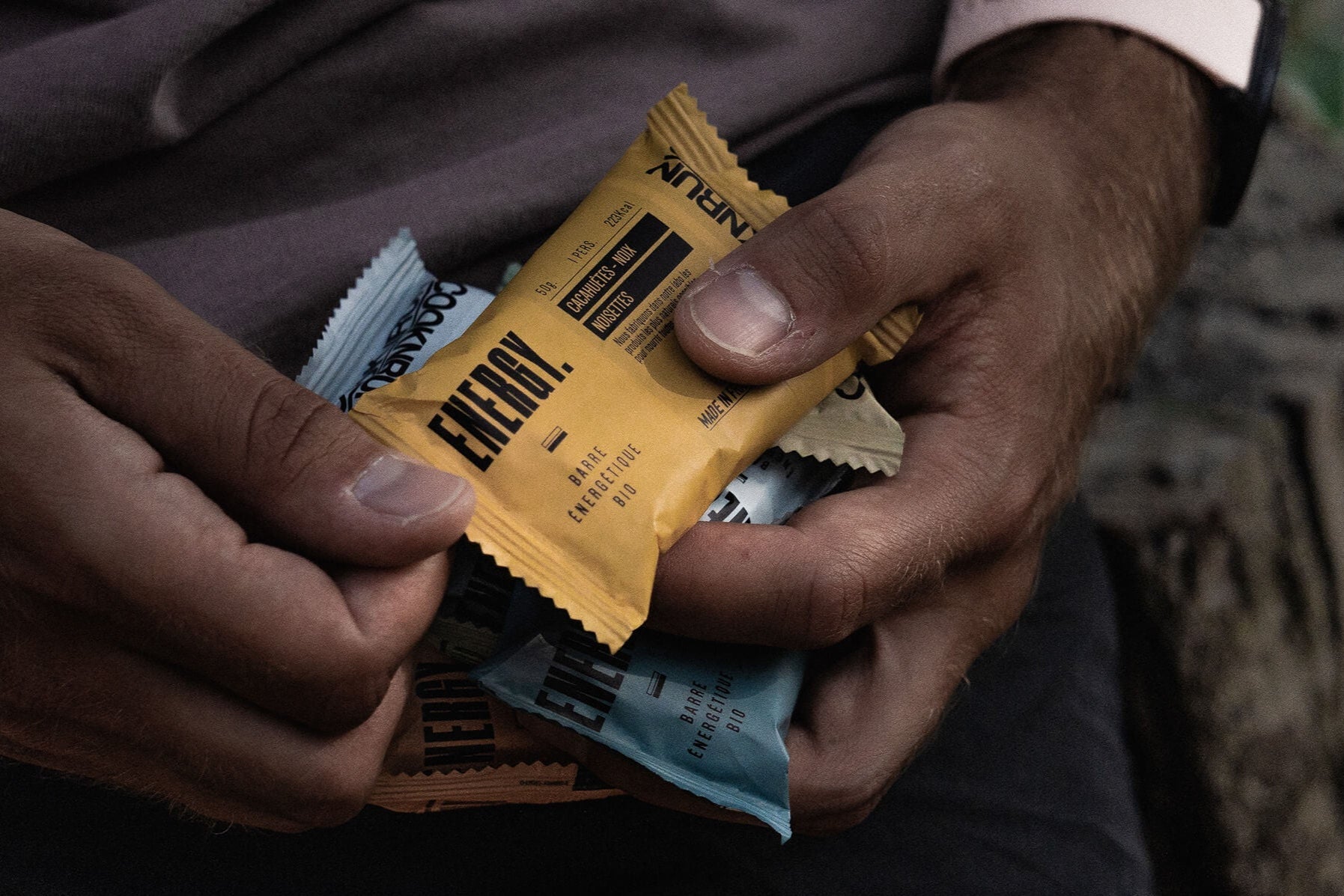
- 🍫 COOKNRUN bars : compact, digestible, cold resistant.
- 🥜 Dried fruits and oil mixes: fast and sustained energy.
- 🥤 DISTANCE sports drink : maintains hydration and electrolytes even in extreme cold.
After the effort
- 🍲 A hot meal rich in carbohydrates and proteins: ideally a freeze-dried COOKNRUN meal (organic porridge or tabbouleh).
- 🧂 Rehydrate with a warm drink to compensate for sodium loss.
- 💪 Add oilseeds to replenish lipid reserves.
3. Stay hydrated despite the cold
The cold and altitude mask the sensation of thirst. However, water loss is very real: breathing in dry air, perspiration under layers, and thin air all contribute to dehydration.
Hydration tips at altitude
- Drink 100 to 200 ml every 20 to 30 minutes, even if you are not thirsty.
- Use slightly warmed organic sports drinks (like DISTANCE) to maintain drinkability.
- Avoid very sugary or iced drinks.
- Add a pinch of salt if you sweat a lot.
| Situation | Water requirements | COOKNRUN Tip |
|---|---|---|
| Early departure | 300–500 ml before leaving | DISTANCE drink, warmed ( Mint & Coconut ) |
| Uphill | 500–800 ml/h depending on intensity | Small, regular sips |
| At the bivouac / refuge | Complete rehydration | Water + electrolytes or hot soup |
4. Micronutrients essential for high altitude
At high altitudes, red blood cell production increases to improve oxygenation. This increases the need for iron , but also for antioxidants and vitamin D to support metabolism and immunity.
- Iron : legumes, nuts, dried fruit, COOKNRUN bivouac meals (tabbouleh, porridge).
- Vitamin D : oily fish, eggs, or sun exposure when possible.
- Omega-3 : walnuts, flax seeds, almonds — useful for limiting inflammation and muscle recovery.
- Antioxidants : red fruits, ginger, dark chocolate — useful against oxidative stress related to altitude.
5. Adapt your nutritional plan to the exertion of altitude
In mountaineering, the days are long, the intensity variable, and the conditions unpredictable. Nutrition must therefore be simple, substantial, and tested in advance . Nothing is worse than a frozen energy bar or an overly sugary drink in the middle of a climb.
Recommended size for a day in the high mountains
- Breakfast: hot meal (COOKNRUN porridge) + dried fruit + DISTANCE drink.
- During exercise: 1 COOKNRUN bar or a handful of nuts every 45 minutes.
- Hydration: 150–250 ml of DISTANCE every 20–30 min.
- Long break: simple sandwich or hot bivouac meal if possible.
- Evening: hot meal COOKNRUN + warm sweet drink to boost recovery.
FAQ – Nutrition in mountaineering
How to avoid loss of appetite at altitude?
Eat frequently, in small portions, and choose energy-dense foods: bars, nuts, dried fruit. Light sweets stimulate appetite and digestion, even at altitude.
Which sports drink should I choose for the mountains?
An organic, light, and electrolyte-rich drink. The DISTANCE range has been designed to remain drinkable for a long time, even below 0°C, and to maintain a stable supply of carbohydrates and minerals.
What COOKNRUN products should I take on a mountaineering trip?
For the mountains, prioritize:
- COOKNRUN bars (sustainable energy, digestible, cold-resistant)
- Bivouac meals (tabbouleh or organic porridge)
- DISTANCE drinks (natural and stable hydration)
Do you need to eat more at high altitudes?
Yes, energy needs increase by 20 to 30% . The body consumes more carbohydrates and burns more energy to stay warm. Anticipate this extra calorie expenditure, especially during long climbs.
Conclusion
In mountaineering, nutrition is your lifeline. The cold, altitude, and intensity demand a substantial, regular, and natural diet. Hydration, carbohydrates, fats, and micronutrients: everything must be planned and adjusted.
At COOKNRUN , we design organic and effective products, tested in real-world altitude conditions: energy bars, DISTANCE sports drinks, and bivouac meals. Our goal: to keep your energy levels stable, your mind clear, and your enjoyment intact.