






Quick summary:
-
✅ Fasted training promotes fat utilization and can improve basic endurance.
-
⚠️ No magic effect on weight loss or overall performance.
-
❌ To be avoided for long, intense, or technical efforts and activities.
Why is everyone talking about fasted training?
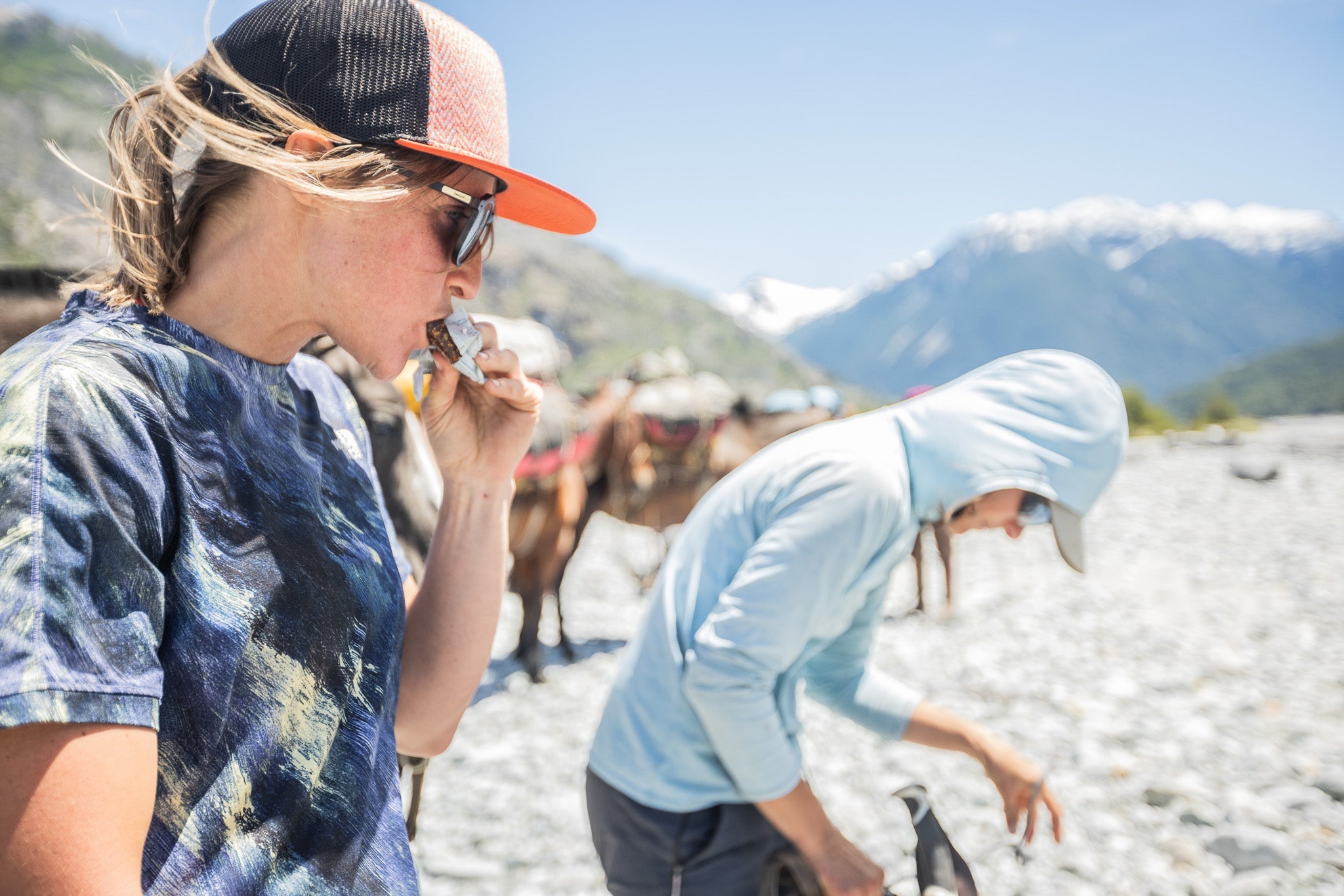
In pelotons or on the side of trails, the topic often comes up: "I'm going for a run fasted, it burns more fat!" This is not a new trend. Professional cyclists and marathon runners have long used "low fuel" morning outings to stimulate their adaptation. What's new is the popularization of the practice among amateurs, driven by social media and promises of rapid weight loss.
But be careful: as is often the case in sports nutrition, there's a difference between theory and what your body can actually handle.
What exactly is fasted training?
Is it good to train fasted?
It's an effort performed without having eaten or had a meal for at least 8 to 12 hours, usually in the morning. Specifically: you wake up, drink coffee or tea, and go for a run or ride without breakfast.
What changes for your body
-
Your hepatic glycogen reserves (sugar stored in the liver) are low.
-
The body shifts to increased use of lipids as fuel.
-
This stimulates mitochondria, which become more efficient at "burning" fat.
👉 In short: it's a training where you teach your body to better manage its fuel.
Potential benefits
-
Better metabolic flexibility You accustom your body to easily switch from glucose to fat. For ultra-endurance, this can be a real asset.
-
Improved basic endurance Many studies show that fasted outings promote adaptations useful for long periods at low intensity.
-
Simplicity No need to prepare a big breakfast. You wake up, you go, you enjoy.
Limitations and grey areas
Despite its image as a miracle "hack," fasted training doesn't transform everything.
-
Body composition: A 2023 meta-analysis (Hackett & Hagstrom) showed that, for fat loss, there is no significant difference between fed and fasted training.
-
Intense performance: Studies (Stannard et al., 2020) show that for interval training, hill sessions, technical trail running, or cycling with fast relays, performance is clearly impaired when fasted.
-
Risk of overtraining: accumulating too many fasted sessions can lead to incomplete recovery, or even a chronic fatigue spiral.
When to train fasted... and when to avoid it
| Easy jog < 60 min | ✅ |
| Easy cycling in zone 2 | ✅ |
| Gentle hike | ✅ |
| Long outing > 90 min | ❌ |
| Intervals, track, hills | ❌ |
| Competition / key outing | ❌ |
| Technical outing (challenging trail, mountain biking, climbing) | ❌ |
Risks to watch out for
-
Hypoglycemia: sudden fatigue, dizziness, blurred vision.
-
Loss of strength: your legs feel weak, impossible to push.
-
Intense cravings after the outing: danger of compensating with an uncontrolled caloric surplus.
-
Lack of concentration: problematic if you practice technical sports (mountain biking, alpinism, climbing).
👉 In short, it can be a tool, but misused, it's a real trap.
Practical strategies
1. Choose the right time
-
Morning, short, easy outing.
-
Days without a planned key session.
2. Hydrate
Drink before and during. Even if you don't eat, you need to compensate for overnight dehydration.
3. Have a backup plan
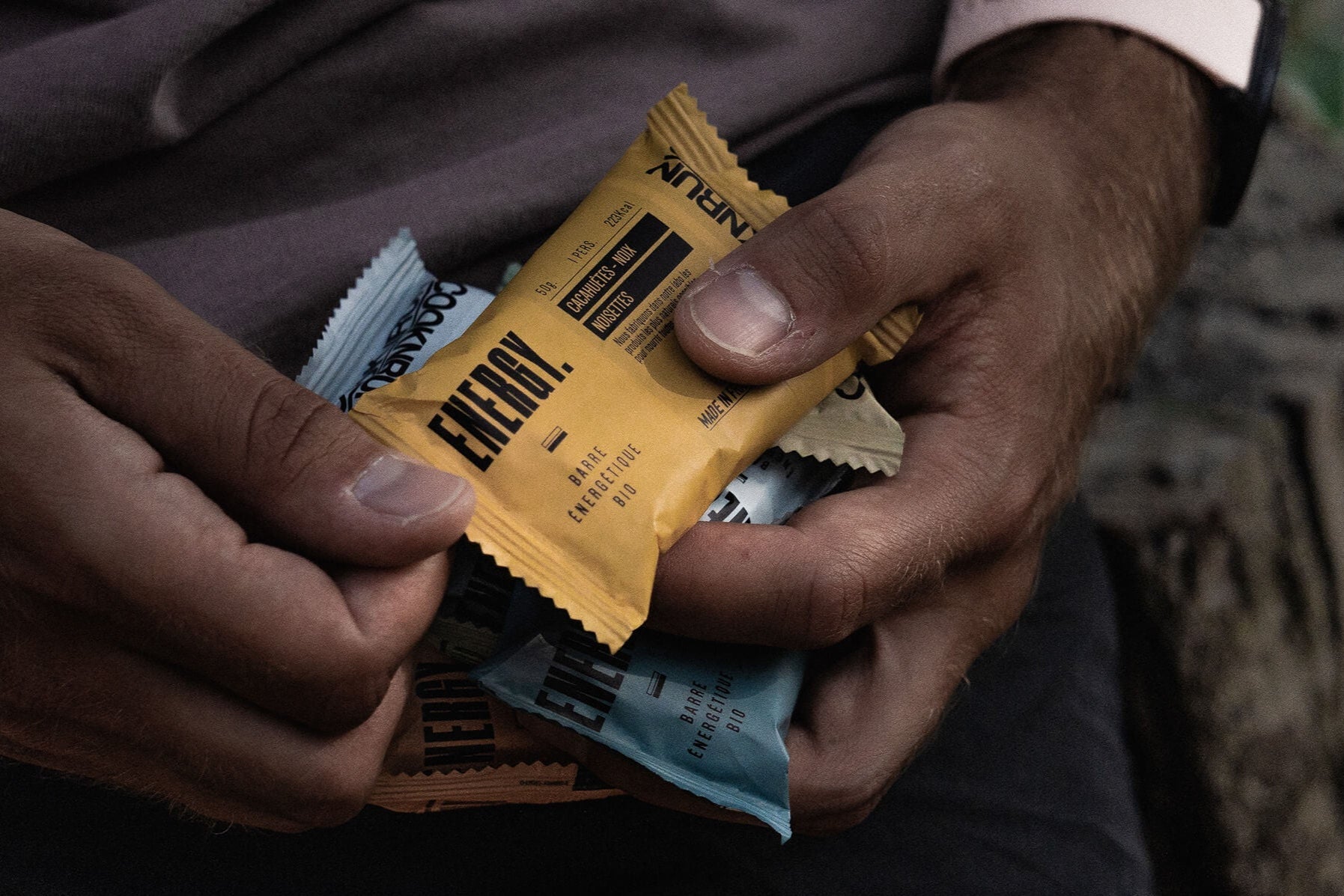
Always carry a snack in your pocket (COOKNRUN bars, banana, gel). Better to have it and not need it than the other way around.
4. After the outing
Don't neglect recovery: a complete breakfast with carbohydrates + protein to get the engine running again and rebuild.
Who is it useful for?
-
Marathon and ultra runners: good strategy for working on glycogen depletion resistance.
-
Long-distance cyclists: can help improve energy management on multi-hour rides.
-
Hikers: a morning fasted walk can be pleasant and safe if the intensity remains low.
However, for explosive sports (crossfit, sprinting, bouldering, team sports), the benefit is almost nil, or even counterproductive.
Comparative table: advantages / disadvantages
| Stimulates fat utilization | Less energy available for intensity |
| Simplifies morning logistics | Risk of hypoglycemia |
| Can improve basic endurance | Less suitable for recovery if too frequent |
| Useful as a sporadic tool | No proven benefit for weight loss |
Common mistakes
-
Doing it too often: 5 fasted sessions a week is the best way to burn out.
-
Doing it before a long outing: you risk collapsing far from home.
-
Believing it's miraculous for losing weight: weight loss mainly depends on the overall energy balance.
-
Ignoring signals: dizziness, cravings, persistent fatigue = warning.
Our COOKNRUN advice
-
Include 1 to 2 fasted sessions per week, no more.
-
Use it as an adaptation tool, not as an absolute truth.
-
Stay attuned to your sensations: what works for a friend won't necessarily work for you.
-
And most importantly: always keep emergency fuel in your pocket.
👉 At COOKNRUN, we often say it: training is an adventure of balance. Fasted training can be another string to your bow, but it's not the universal key.

