
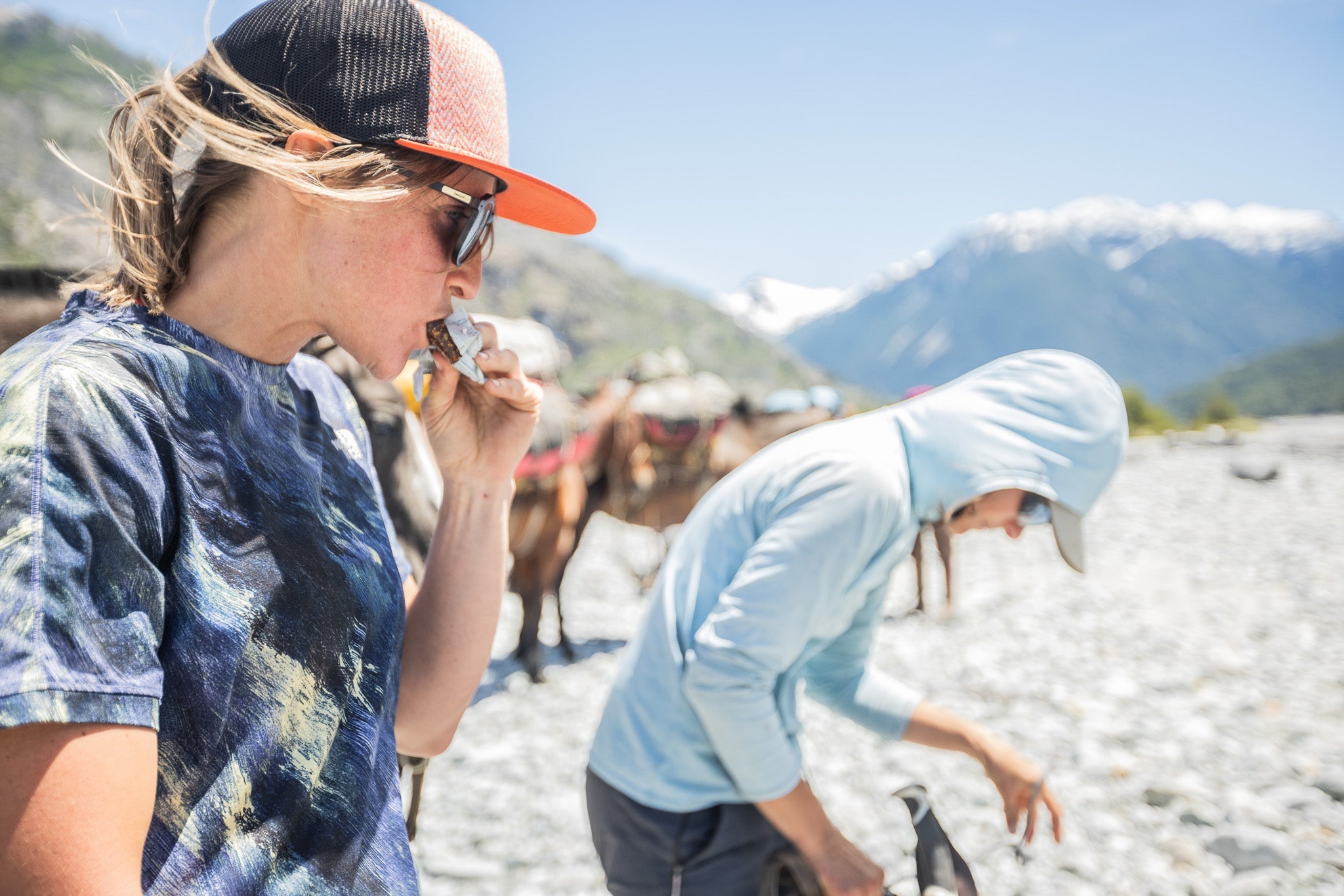


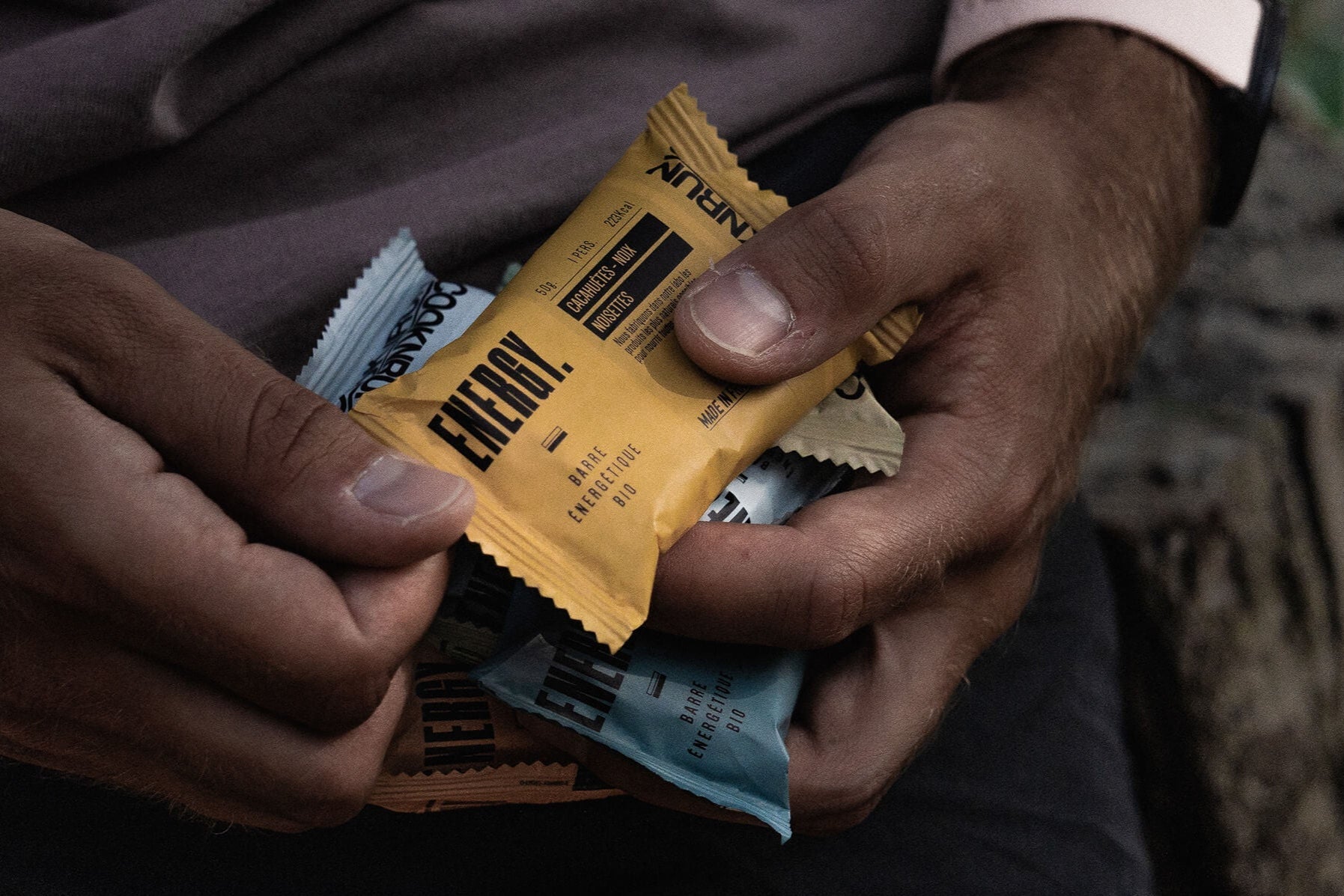


Why Digestion Becomes Difficult During Exercise
- 🫀 During exercise, blood is directed to the muscles, not the intestines.
- ⚠️ Slowed digestion, reduced absorption, and digestive issues become more frequent.
- 🍽️ Fractionating, adapting textures, and training to eat are key to better digestion.
During physical exertion, especially prolonged or intense effort, the body has to make choices. Blood flow is primarily directed to:
- muscles,
- the heart,
- the brain.
👉 The digestive system takes a back seat.
This blood redistribution leads to a decrease in digestive activity: the stomach empties more slowly, the intestine absorbs nutrients less effectively, and becomes more sensitive.
Concrete Consequences for Digestion
1. Slowed Digestion
Food stays in the stomach longer. If it is bulky, fatty, or rich in fiber, it can cause:
- heaviness,
- bloating,
- nausea.
2. Less Efficient Intestinal Absorption
Even if you consume enough energy, a poorly adapted strategy can limit its passage into the bloodstream.
3. Digestive Issues During Exercise
Abdominal cramps, reflux, diarrhea, or nausea are common in endurance sports. They do not indicate weakness, but an imbalance between exertion and nutrition.
Why Some People Digest Better Than Others
Digestive tolerance is individual.
It depends on:
- the intensity of the effort,
- its duration,
- conditions (heat, cold, altitude),
- stress,
- and especially… digestive training.
👉 Good news: digestion during exercise can improve over time.
Key Strategies to Preserve Digestion
1. Fractionate Intake
The digestive system tolerates small, frequent amounts much better than a large, single intake.
Field recommendation:
- micro-intakes every 20 to 30 minutes,
- rather than a massive intake every 2 hours.
This strategy limits gastric overload and stabilizes blood sugar.
2. Choose Easily Digestible Textures
During exercise, texture is as important as nutritional composition.
Generally better tolerated formats:
- liquid or semi-liquid,
- soft textures,
- foods that are easy to break down.
Dense and natural formats like K2 (dried fruits & nuts) are often used in training to develop this tolerance: compact energy, stable texture, easy to dose.
3. Limit Digestively Aggressive Foods
Certain foods significantly increase the risk of discomfort during exercise:
- rich in insoluble fibers,
- very fatty,
- very acidic,
- or consumed in too large a quantity at once.
On long efforts, an all-sugar diet can also become nauseating.
The occasional introduction of salt often helps to revive appetite and stabilize the stomach, especially with simple formats like Ultra Crackers salés.
Training to Eat: A Skill in Itself
We train to run, cycle, or climb… but very few athletes actually train to eat during exercise.
However, the digestive tract is trainable.
What Science Says
A study by Jeukendrup (2011) shows that athletes who regularly train to consume carbohydrates during exercise:
- tolerate higher intakes,
- reduce digestive problems,
- and improve their performance.
How to Train Your Digestion
- test foods during training, never during a race,
- reproduce real conditions (duration, intensity, weather),
- gradually increase intake.
And After Effort: Extending Digestive Work
Digestive training does not stop at the end of the session.
After an effort where nutrition has been heavily involved, an intake combining carbohydrates and proteins helps restore reserves and limit residual discomfort.
RECOVERY protein bars can be used in this phase to support recovery without overloading the stomach.
Case of Long Efforts and Adventure
On very long formats (ultra, ski touring, mountaineering, bikepacking), digestion often becomes the limiting factor.
In these contexts, having a hot, simple, and digestible meal facilitates food intake and recovery.
Bivouac savory meals allow for effective refueling, even when the digestive system is tired.
Conclusion
During exertion, digestion is under stress. Slowed digestion and digestive problems are normal mechanisms… if they are not anticipated.
Fractionating intake, choosing appropriate textures, and training to eat are the three pillars of effective digestion during exercise.
👉 Good digestion during effort is not a coincidence: it is a skill that is built.


Bonjour,
J’ai, enfin, trouvé un équilibre nutritionnel pendant mes sorties vtt et compétions enduro en vtt.
Grâce à vous, vos conseils et vos produits. C’est tout le plaisir retrouvé de rouler longtemps et fort.
C’est un élément indissociable avec le sport, savoir quand et quoi mangé,
Merci 🙏🏻