




Quick summary:
- ⚡ Hunger pangs = drop in blood sugar + depletion of glycogen → energy crash.
- 🍫 It is prevented by regular intake: 30 to 90 g of carbohydrates/h (bars, dried fruit, white bread, crackers).
- 🚑 In case of crisis: fast sugar + water, short rest, gradual resumption.
What is a craving?
Hitting the wall , also known as "hitting the wall" among runners or "hitting the wall" among cyclists, is the dreaded enemy of all endurance sports. It corresponds to a sudden drop in blood glucose (sugar) and the depletion of glycogen stores (fuel stored in the liver and muscles). In practical terms: your body has no more fuel available → it's running on empty.
Typical symptoms
- Sudden fatigue, weak legs.
- Intense hunger, decreased concentration, attention deficit.
- Sometimes tremors, cold sweats, dizziness.
👉 When hunger pangs strike, it's impossible to continue normally. It's better to avoid them than to suffer from them.
Why does a craving occur?
The causes are well known:
- Insufficient energy intake : you spend more than you consume.
- Infrequent feeding : the body does not have a continuous supply of fuel.
- Too much fast sugar at once : blood sugar spike → insulin spike → sudden drop.
Comparative table: good and bad strategies
| Good strategy ✅ | Bad strategy ❌ |
|---|---|
| Regular intake every 20–30 minutes | Wait until you're hungry to eat |
| Varied carbohydrates with a moderate glycemic index | Relying solely on very fast-acting sugars |
| Appropriate hydration (water, isotonic drink) | Drink too sweet and concentrated |
| Test in training | Improvising on race day |
How to prevent hunger pangs?
The golden rule: anticipate . You must feed your body before it cries out for food.
- Consume 30 to 90 g of carbohydrates per hour depending on the effort and your weight.
- Divide the doses every 20 to 30 minutes .
- Opt for simple and easily digestible foods : white bread, puffed rice, dried fruit, compact energy bars, crackers.
Examples of regular intake
| Duration of the effort | Recommended intake | Examples of foods |
|---|---|---|
| 1 to 2 hours | 30–40 g/h | 1 small bar + a few raisins |
| 3 to 5 hours | 50–70 g/h | 1 bar + a handful of almonds + salted crackers |
| > 6am | 60–90 g/h | White bread + dried fruit + puffed rice |
What to do if you get hungry while running?
If, despite everything, hunger pangs occur, here's what to do:
- Take a source of fast sugar (dried fruit, piece of white bread, simple sugar bar) + water .
- Avoid overly sugary drinks → they worsen digestive problems.
- Rest for a few minutes if needed.
- Gradually resume exertion, allowing time for the sugar to take effect.
👉 Allow 10 to 15 minutes to feel the effects. You'll be able to leave, but your body will remain fragile: continue to eat regularly to avoid relapsing.
Practical field advice
- Never wait until you're hungry → eat before the warning signal.
- Alternate between fast carbohydrates (dried fruit) and moderate carbohydrates (white bread, crackers).
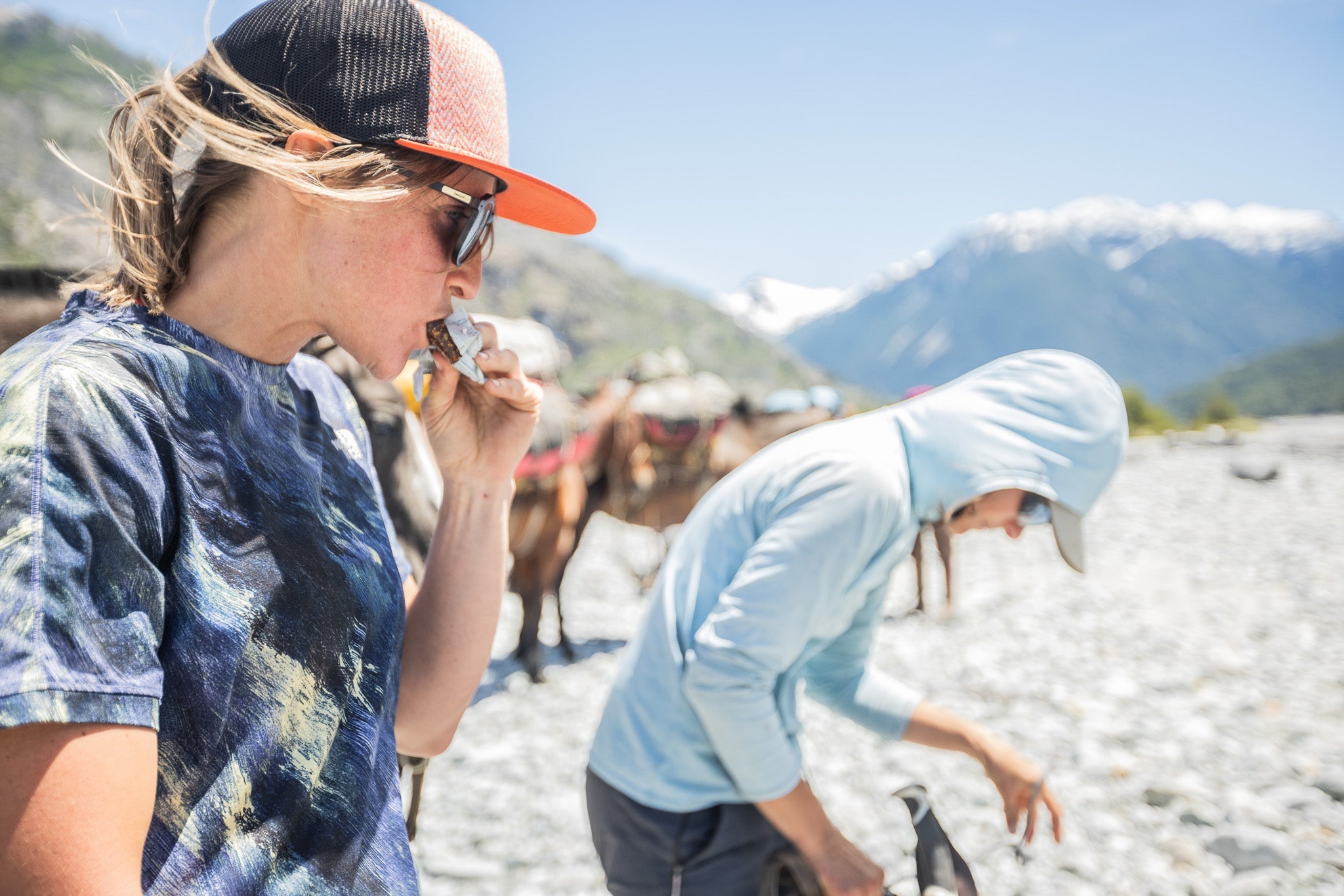
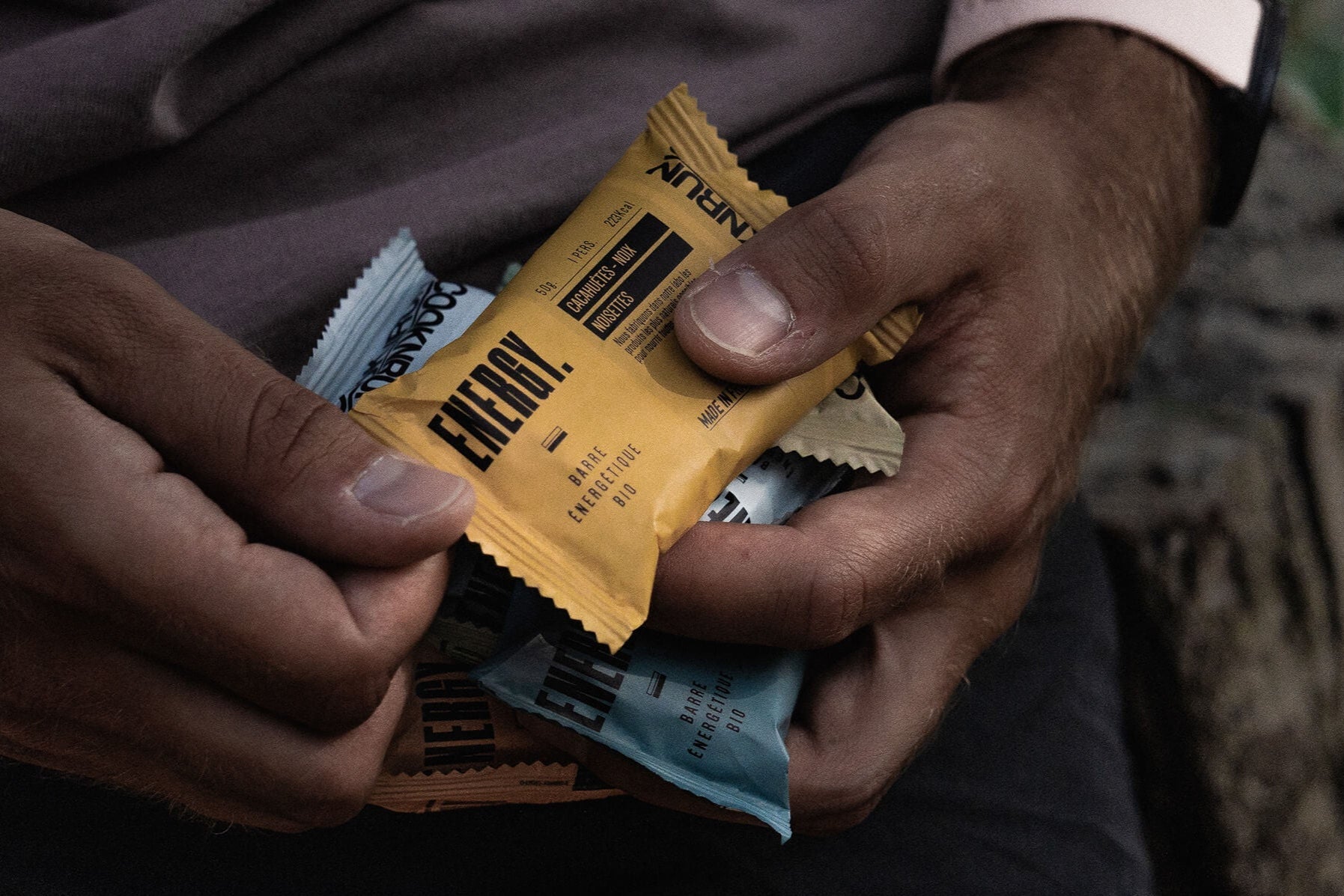
- Always carry a spare energy bar in your pocket.
- Adjust according to the weather: hot = more drink, cold = more solid food.
- Test the products during training to avoid unpleasant surprises during the race.
FAQ – The munchies
What is the difference between hunger pangs and hypoglycemia?
A hunger pang is a hypoglycemic episode linked to glycogen depletion. The result: sudden fatigue, intense hunger, and decreased performance.
Is it possible to completely avoid hunger pangs?
Yes, with regular, appropriate, and tested nutrition. But a single oversight or poor management can be enough to cause it.
How long does it take to recover from a hunger pang?
About 10 to 15 minutes after consuming sugar and water, you can go again. But you're still vulnerable: prevention is better than cure.
Conclusion
Hungry hunger is the number one enemy of endurance sports. It indicates a complete breakdown of your energy reserves. But the good news is that it's 100% avoidable thanks to a simple strategy: eat regularly, with easily digestible and appropriate carbohydrates.
👉 At COOKNRUN, we say it again: eating is performance . Your nutrition plan is just as important as your training plan.


Excellent !
ces conseils sont très utiles pour un amateur comme moi qui néglige tous ces problèmes d’hydratation et de nutrition.