



Quick summary:
- 🚴 Ultracycling is the art of cycling for a long time, alone facing oneself and the elements.
- ⚡ Getting off to a good start: mental preparation, tested equipment, appropriate nutrition and sleep management.
- 🥗 Every detail counts: training, hydration, recovery — it all comes down to consistency.
Ultracycling for beginners: the adventure on two wheels
Ultracycling is much more than a sport. It's a human adventure, a lesson in endurance and patience. Hundreds of kilometers covered, landscapes passing by, nights spent under the stars… and only one driving force: you.
If you want to embark on your first ultra, here is a complete guide to understand, prepare and above all, enjoy the effort.
1. Prepare your body and mind
Before thinking about kilometers or equipment, start by building a solid foundation —both physical and mental. In ultramarathons, endurance isn't just about legs: it's your mind that will keep you going when your body says stop.
Building your endurance
- Gradually increase your distances (100 km, 200 km, 400 km).
- Go for long runs at a steady pace: the goal is not speed, but duration.
- Includes elevation changes and varied conditions (night, rain, wind).
Prepare the mind
- Learn to ride alone — silence builds concentration.
- Break down long distances into mental sections: “until the next pass”, “until sunrise”.
- Visualize your successes: the head controls the legs.
💡 COOKNRUN Tip : Mental strength is developed through training. Runs where everything goes wrong are often the most useful for improvement.
2. Finding the right equipment
Good equipment won't make you stronger, but it will prevent you from giving up. In ultra-marathons, comfort takes precedence over raw performance.
The bicycle and its settings
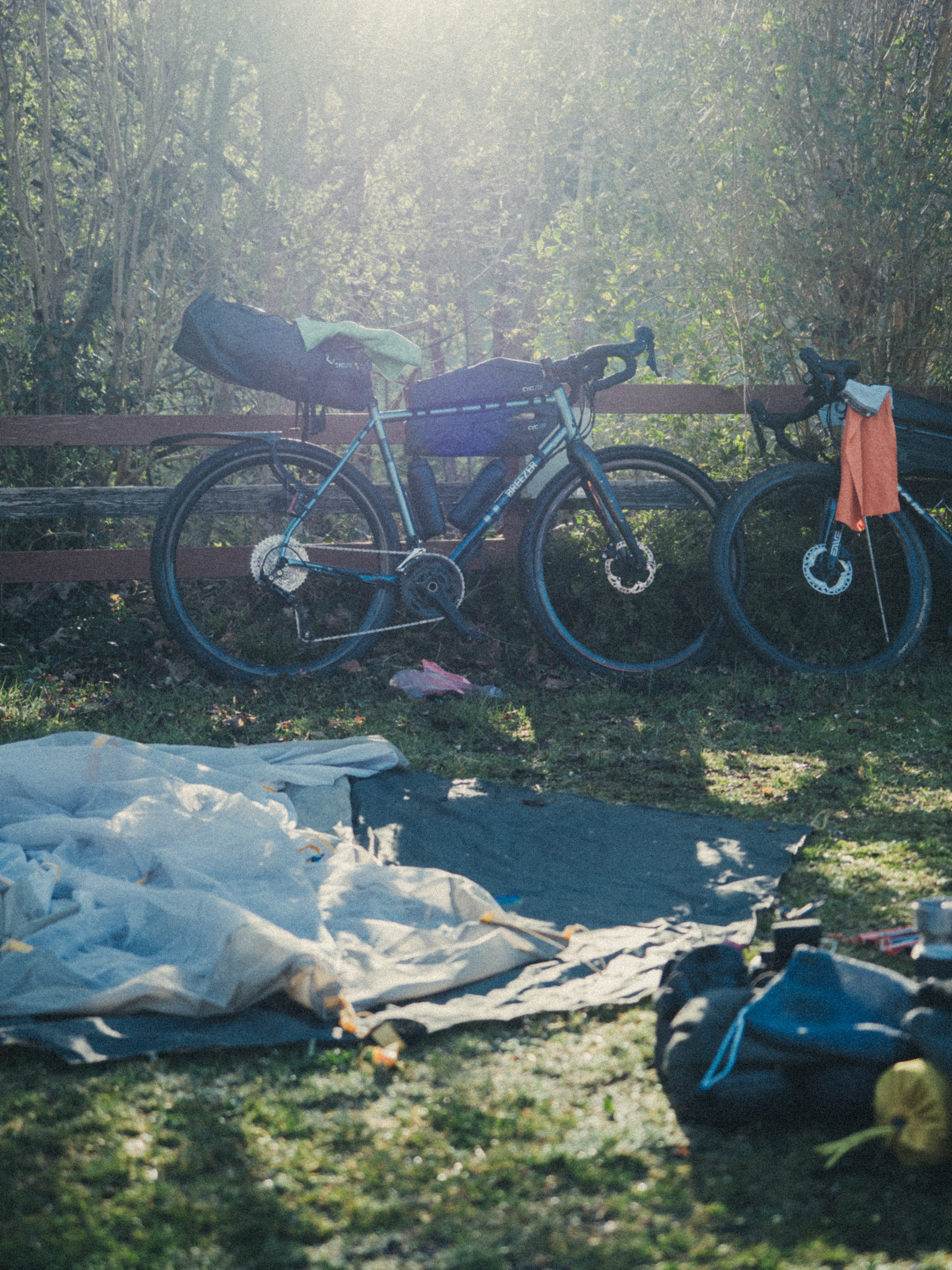
- Choose a comfortable and durable bike (suitable geometry, wide tires, properly adjusted cockpit).
- Test your saddle on long rides before the big day.
- Equip yourself with powerful lights and a reliable power system (battery, dynamo).
Essential equipment
- Technical clothing adapted to the weather.
- Complete repair kit.
- Mini bag (light bikepacking) to carry the essentials.
💡 Comfort tip : What you haven't tested before, you'll discover the hard way. Test your setup on a ride of at least 200 km.
3. Planning your first ultra
Like any adventure, ultramarathons require a minimum of strategy. Planning is what transforms a crazy idea into a successful experience.
- 🗓️ Set progressive goals : 200 km, then 300, before considering 600 or more.
- 🌙 Simulates real-life conditions : night outings, limited supplies, variable weather.
- 🗺️ Prepare your route : GPS track, water points, rest areas.
- 💤 Plan your sleep : micro-naps, scheduled breaks, possible accommodation.
Practical guide: progressive objectives
| Level | Target distance | Objective |
|---|---|---|
| Beginner | 200–300 km | Discovering the management of effort and sleep |
| Intermediate | 400–600 km | Learning how to eat properly and manage recovery |
| Advance | +1000 km | Complete autonomy and mental endurance |
4. Nutrition and hydration in ultra-distance running
You can have the best legs in the world, but without fuel, they won't go anywhere. Nutrition is your invisible engine. And like any engine, it needs the right fuel at the right time.
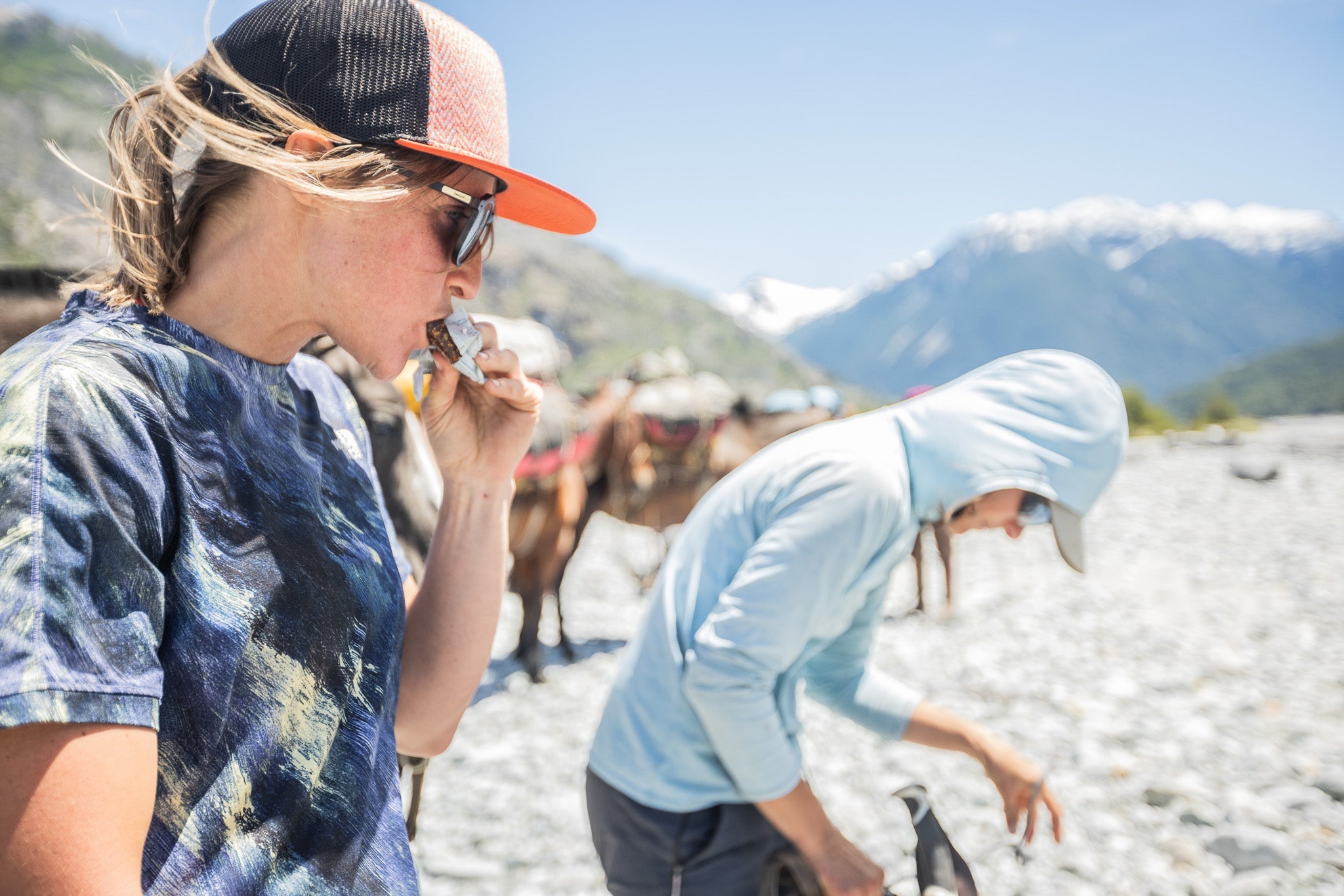
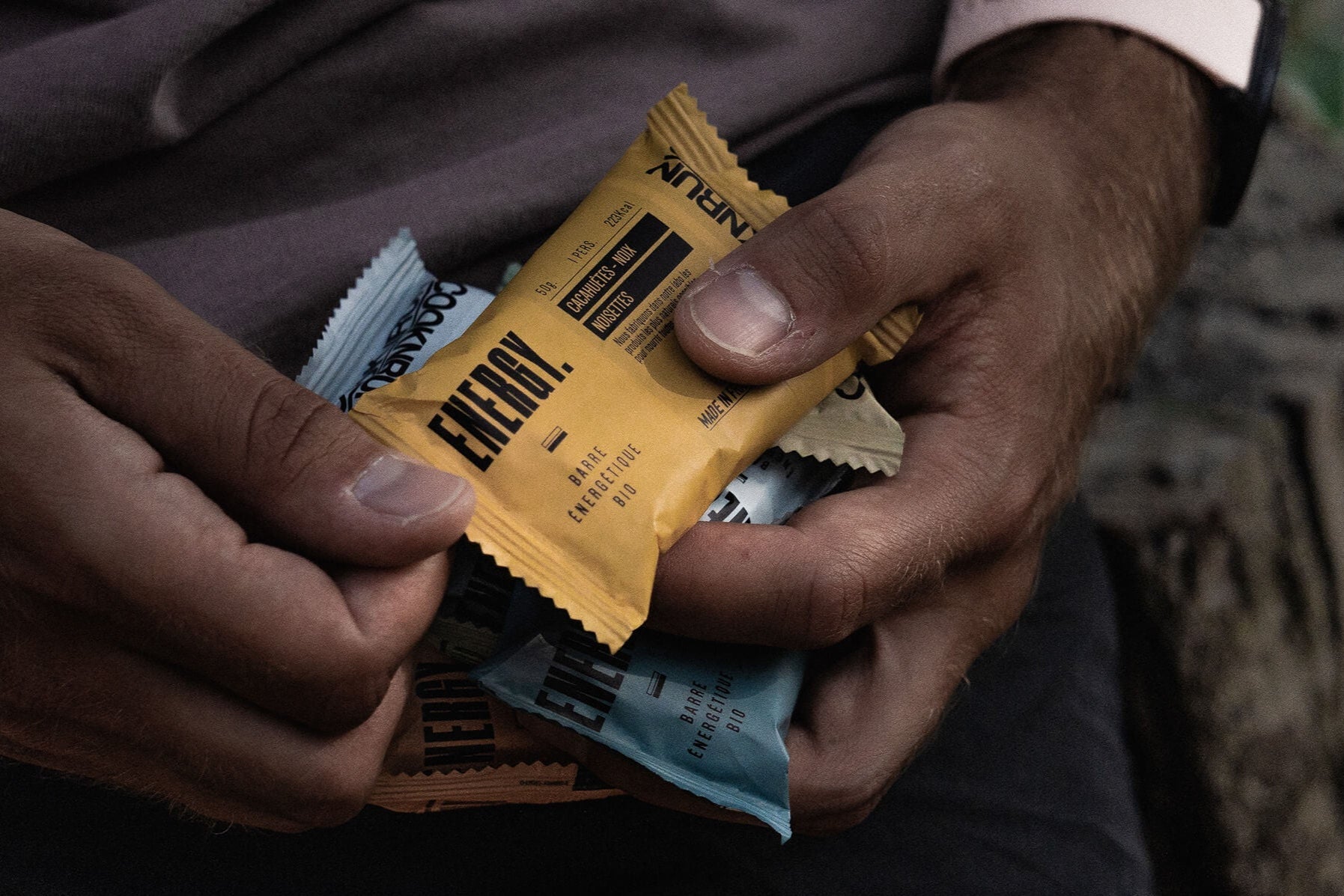
- 🍫 Eat every 30 to 45 minutes: bars , dried fruit , white bread, puffed rice.
- 💧 Wood 500 to 750 ml of water per hour, with an addition of electrolytes if the heat is present.
- 🥖 Vary the flavors to avoid getting tired of it: sweet at first, then salty ( crackers , hummus & COOKNRUN tomato crumble ).
- 🌙 After the day: a hot, carbohydrate- rich meal to recharge.
Comparative table: sweet vs. savory during long-distance exercise
| Food type | Role | Examples |
|---|---|---|
| Sugar | Rapid energy boost | COOKNRUN bars , dried fruit, white bread |
| Dirty | Boosts appetite, counteracts sodium | Crackers , hummus, tomato crumble |
💡 Nutrition tip : Eat before you're hungry, drink before you're thirsty. Regularity always beats quantity.
5. Rest, recovery and mental state
In ultra-running, recovery doesn't end at the finish line. It's a cycle in its own right.
- 🛌 Sleep whenever your body tells you to : 20 to 40 minutes can be enough to “reboot” your mind.
- 🧘 Stretch and decompress after each step.
- 🥑 Eat a balanced diet after the race to replenish your reserves.
💡 COOKNRUN tip : a rested mind is better than an overtrained body. The real secret is balance.
FAQ – Ultracycling for Beginners
What distance should I aim for in my first ultramarathon?
Between 200 and 400 km. The goal is not to break a record, but to learn how to last and manage your energy.
Do you need a special bike?
No, a comfortable and reliable bike is enough. The most important thing is the adjustment, not the performance of the equipment.
How to feed oneself independently?
Pack some energy bars, dried fruit, white bread, and a few savory options. Eat every 30–45 minutes, without waiting until you're hungry.
How to manage fatigue?
Plan short breaks, listen to your body, and sleep as soon as your mental clarity starts to wane. Recovery is part of performance.
Conclusion
Starting out in ultracycling is embarking on an adventure that goes beyond sport. It's about learning to manage time, fatigue, solitude, and above all, savoring every moment on the road. The key: progress step by step, listen to your body, and stay curious.
Photo: ©nomad Crea