






Quick summary:
- ❄️ Cold weather increases energy expenditure and accelerates carbohydrate use.
- 🍫 It reduces hunger and thirst, which increases the risk of energy deficit and dehydration.
- 🥜 Objective: anticipate, snack often and hydrate regularly, even without feeling thirsty.
Nutrition in cold weather: the body consumes more, without warning
In the mountains, whether cycling in winter or running an ultramarathon in sub-zero temperatures, the cold changes everything . To maintain its core temperature, the body increases its energy expenditure and mobilizes more carbohydrates. But the cold has a paradoxical effect: it reduces the sensation of hunger and thirst . The result: a double risk of energy crashes and silent dehydration .
👉 Knowing how to eat in the cold is therefore as much a question of performance as of safety.
Increased metabolism
When the temperature drops, the body activates thermogenesis —the production of internal heat. This reaction can increase energy expenditure by 10 to 25% (Haman & Kenny, 2007). To fuel this “biological radiator,” the body primarily draws on muscle glycogen .
As a result, your energy reserves are depleted more quickly, even if the intensity of your effort remains moderate. This is why a nutritional strategy adapted to the cold is essential, especially for long runs or winter endurance races.
Carbohydrates: energy priority
In cold conditions, the body naturally turns to carbohydrates . They are more efficient than fats at quickly producing heat and maintaining performance. Therefore, favor regular and easily digestible intake every 30 to 45 minutes: soft bars, dried fruit, natural mixes, warm sports drinks.
💡 Studies (Jacobs et al., 2011; ACSM, 2021): athletes exposed to cold maintain their intensity better when they consume carbohydrates frequently, even at low intensity.
Avoid undernourishment
Cold weather often suppresses appetite. However, an energy deficit increases the risk of hypothermia, early fatigue, and decreased alertness. It's better to snack frequently than to eat large, spaced-out meals. Ideally, eat small portions rich in carbohydrates and healthy fats every 30 to 45 minutes.
Examples of suitable foods
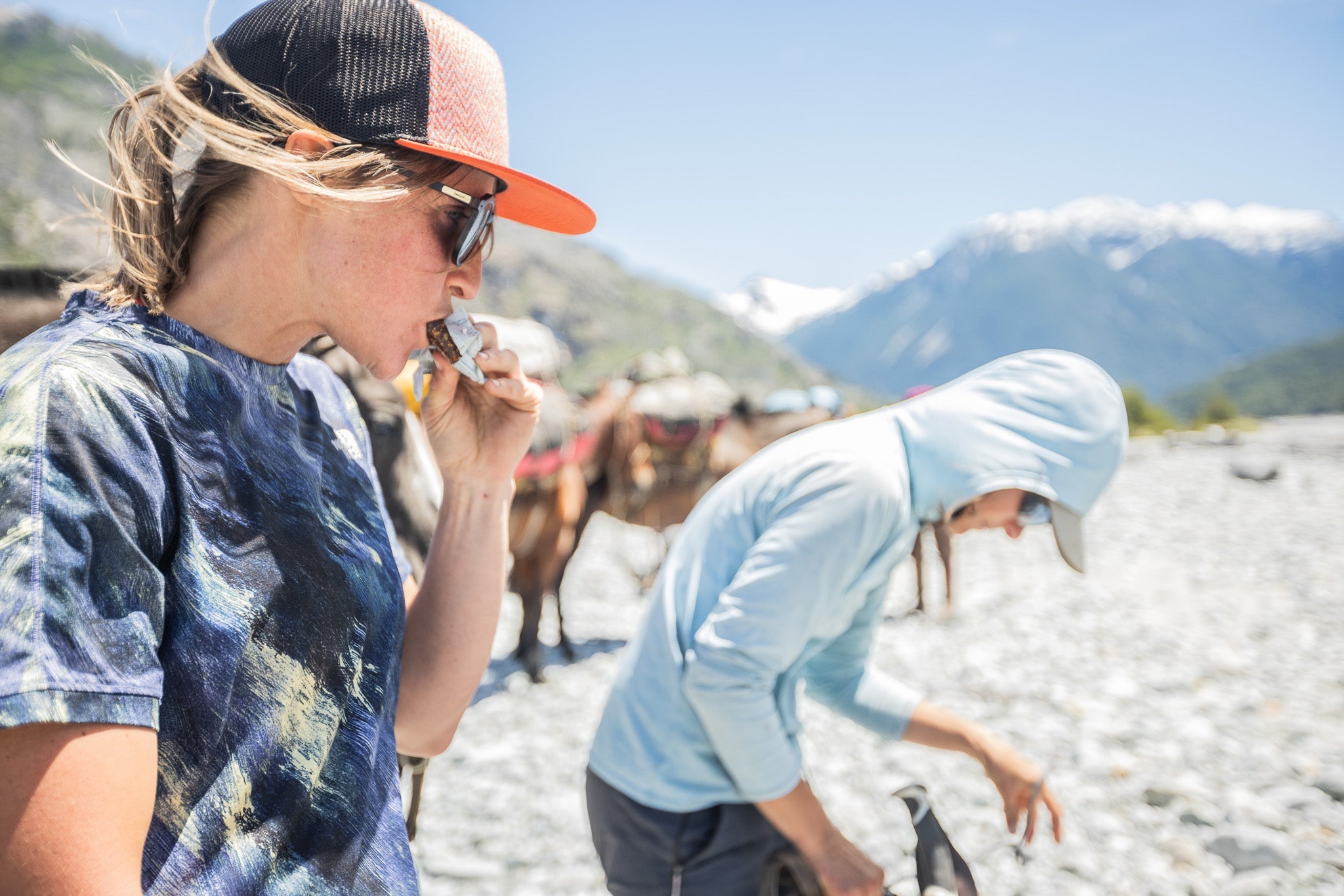
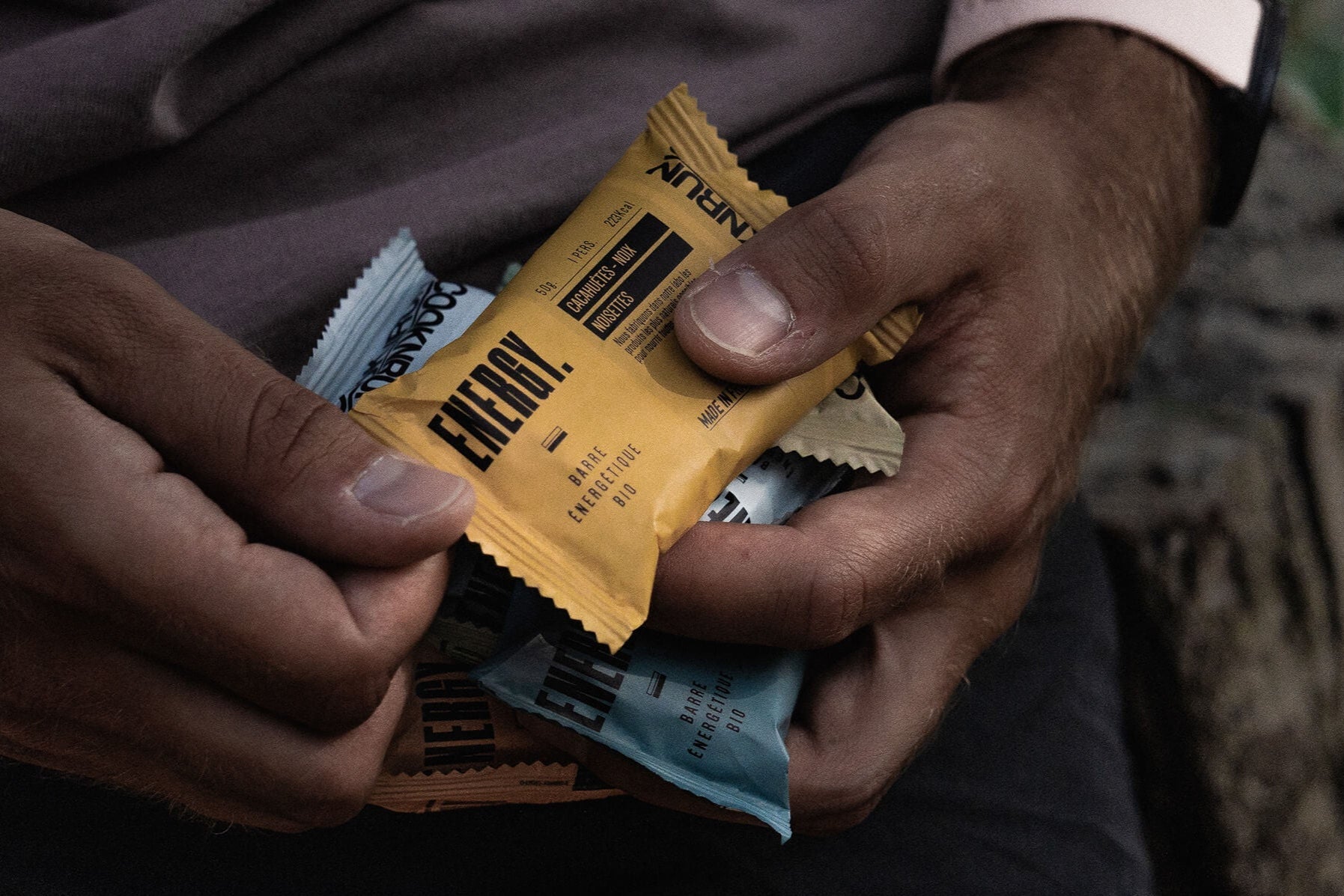
- COOKNRUN bars rich in oats and oilseeds.
- Dried fruits (apricots, dates, raisins, figs).
- Homemade “trail mix” blends (nuts, seeds, cranberries).
- Fruit bread or soft biscuits that are easy to chew in the cold.
💡 COOKNRUN tip: keep a small portion of food in an inside pocket or close to the body to prevent it from hardening in the cold.
“Invisible” hydration
Cold reduces thirst, but not fluid loss. Between dry air, rapid breathing, and technical clothing, you lose water without realizing it. Cold, dry air draws moisture away with each exhalation, increasing the risk of silent dehydration (Kenefick et al., 2004; Sawka et al., 2007).
Hydration tips in cold weather
- Drink 100 to 200 ml every 15–20 minutes, even if you are not thirsty.
- Use a warm sports drink (water + electrolytes + natural carbohydrates).
- Avoid iced drinks or uninsulated water bottles (risk of freezing).
- Add a pinch of salt to promote water retention if you sweat a lot under the layers.
Choose foods that are resistant to cold
Some energy products become difficult to consume at low temperatures. Avoid overly liquid gels or iced drinks. Opt for convenient, freeze-resistant formats: soft bars, dried fruit, thick purees, or small, easy-to-chew solid portions.
| Food type | Advantages in cold weather |
|---|---|
| Soft bars | Easy to chew, rich in carbohydrates and good fats |
| Dried fruit | Energetic, portable, and won't freeze |
| Oilseed mixtures | A source of good fats and sustainable calories |
| Sports drinks | Effective hydration, improved digestion |
Micronutrients to monitor
Cold weather increases oxidative stress and can weaken the immune system. Certain micronutrients become essential to support your metabolism and recovery.
- Iron → promotes muscle oxygenation
- Vitamin D → regulates energy and muscle function
- Omega-3 → anti-inflammatory effect and immune support
- Antioxidants → limit oxidative stress related to cold and exertion
Where can they be found naturally?
- Iron: legumes, oilseeds, dried fruits (apricots, dates, raisins).
- Vitamin D: oily fish (salmon, sardines) or sensible supplementation.
- Omega-3: walnuts, flax seeds, almonds, rapeseed oil.
- Antioxidants: dark chocolate, ginger, red berries, citrus fruits.
FAQ – Nutrition and cold
Why does cold weather suppress hunger and thirst?
The body focuses its energy on thermoregulation, at the expense of hunger and thirst signals. But energy needs still increase: you must therefore eat and drink before you feel the need.
How can I prevent my drink from freezing?
Use an insulated water bottle or keep your sports drink in an inside pocket, close to your body. You can also prepare it slightly warm before setting off.
What food should I take on a cold outing?
Opt for soft bars, dried fruit, and nut mixes. Avoid liquid gels or very sugary products, which harden or become cloying in cold weather.
Should we eat more fat in winter?
Not necessarily fattier, but more energy-dense. Combines fast-acting carbohydrates and good fats (oilseeds, seeds, dried fruit) to support thermogenesis and recovery.
Conclusion
In the cold, the body expends more energy, sweats differently, and digests more slowly. The most common mistake: eating and drinking too little . Plan ahead, vary your intake, and maintain a stable energy level throughout your outing. The cold doesn't forgive energy lapses.
👉 Discover our COOKNRUN bars — rich in carbohydrates and good fats — perfect for cold conditions and long days of adventure.
