






Quick Summary:
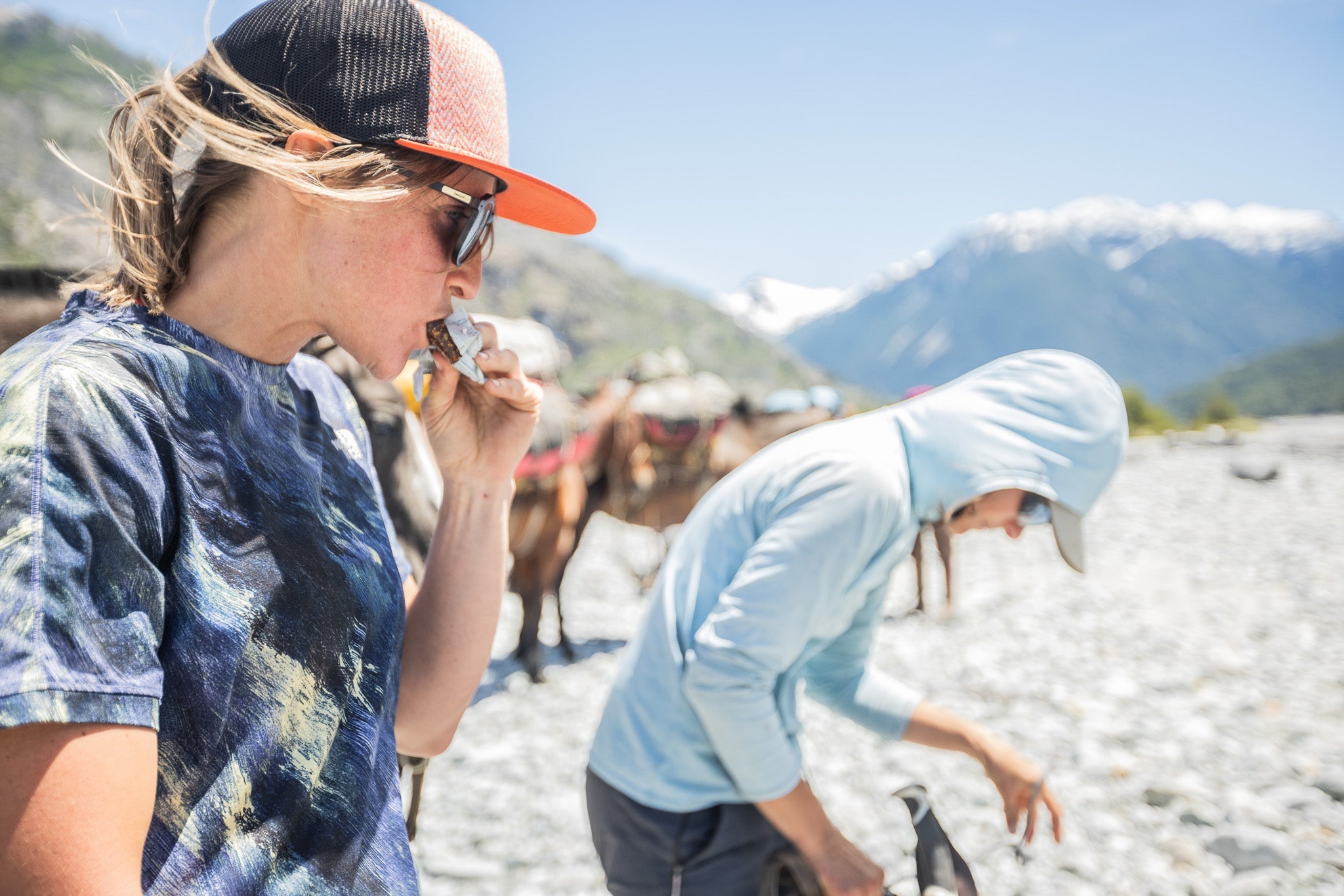
- 🍫 Sweet foods dominate sports nutrition (bars, drinks), but too much can be sickening.
- 🥖 Alternating sweet and savory helps rekindle appetite and maintain energy intake.
- ⚡ Introducing savory foods beyond 3 hours of effort improves tolerance and desire to eat.
Why is sweet food so prevalent in sports?
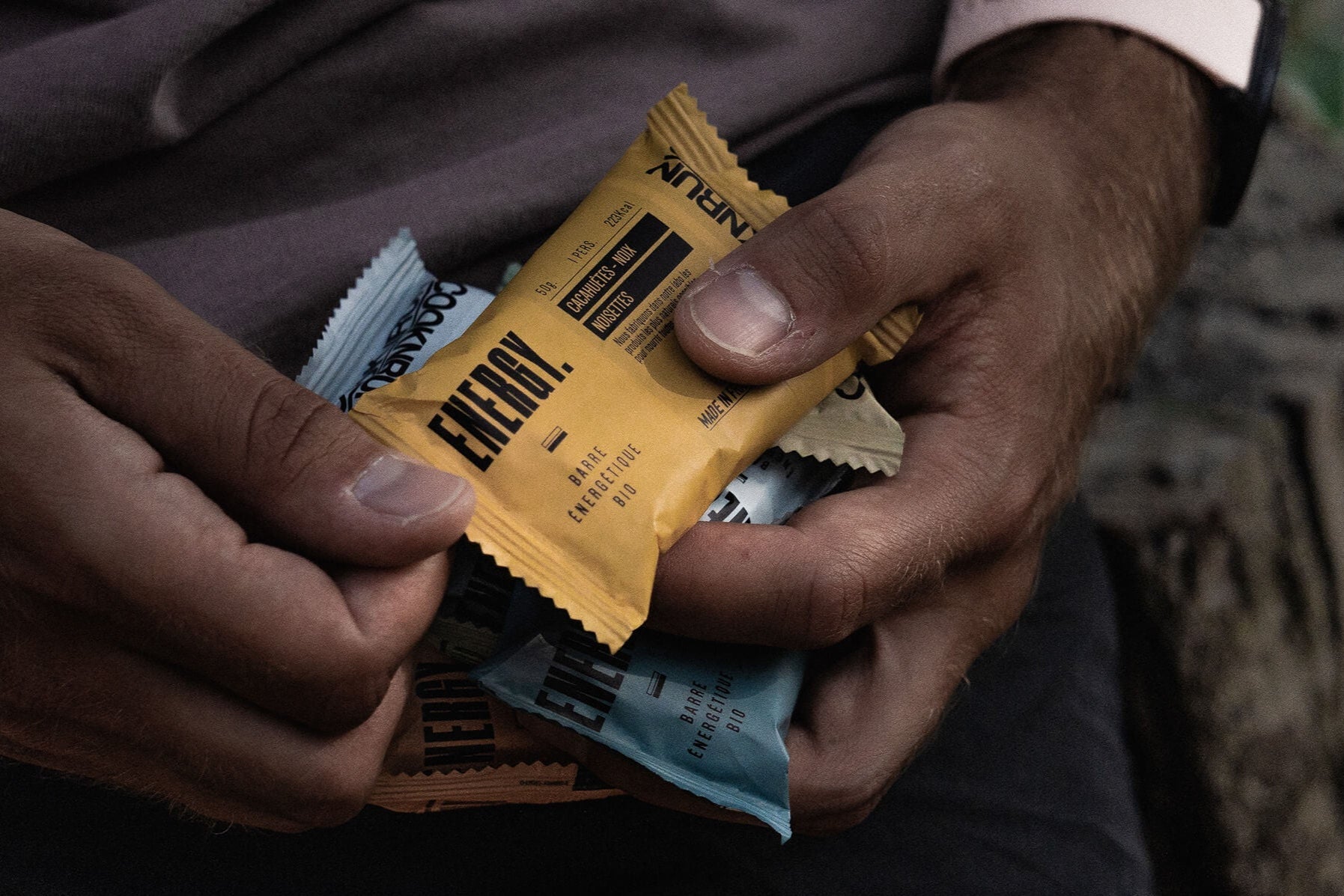
In sports nutrition, sweet foods are everywhere: energy bars, sports drinks, dried fruits, white bread... These foods provide rapidly available carbohydrates, the primary fuel for endurance.
But in ultra-trail running, long-distance cycling, or trekking, the observation is often the same: after a few hours, excessive sweetness can saturate digestive receptors and lead to a well-known phenomenon → nausea. This is where our ultra crackers come in.
The limits of "all sweet"
- Saturation of taste buds.
- Development of a dislike, loss of appetite.
- Risk of a decrease in overall energy intake.
👉 This is when a savory alternative becomes invaluable.
Why alternate sweet and savory?
Introducing savory foods during a race is not just a matter of taste: it's an effective nutritional strategy.
- Revive appetite: the contrast helps to regain the desire to eat.
- Vary carbohydrate sources: white bread, crackers, puffed rice…
- Provide sodium naturally through certain savory foods (chips, broths, crackers).
Science confirms it
A study by Kreider (2020) on ultra-endurance shows that athletes with dietary variety during the race maintain better caloric intake and reduce nausea.
When to introduce savory foods?
- ✔️ Start of race: prioritize sweet foods → bars, dried fruits, light drinks.
- ✔️ Beyond 3 hours: introduce savory foods → crackers, white bread.
- ✔️ After several hours: alternate textures (crunchy, soft, creamy) to maintain desire.
Comparative table: sweet vs. savory during a race
| Option | Advantages | |
|---|---|---|
| Sweet (bars, dried fruits, drinks) | Quick, convenient, rich in carbohydrates | |
| Savory (crackers, white bread) | Revives appetite, provides sodium, variety |
Practical field tips
- Don't wait for nausea → plan for a sweet/savory alternation from the start.
- Test during training → every stomach reacts differently.
- Keep it simple → sweet bars for the start, crackers as a relay.
- Adapt to the weather → in heat, savory (with sodium) helps compensate for losses.
FAQ – Sweet or savory during a race
Why is savory food useful in ultra-endurance?
It revives appetite, provides sodium, and allows you to continue eating after several hours of effort when sweet foods become sickening.
When to introduce savory foods during a race?
From the 3rd hour, or as soon as you feel a loss of desire for sweet foods. The ideal is to alternate regularly.
What savory foods to choose?
Crackers, white bread, chips, and in the COOKNRUN Bivouac range: hummus and tomato crumble, easy to carry and digestible.
In endurance sports, alternating sweet and savory is a winning strategy. It helps preserve appetite, vary energy sources, and maintain the desire to eat over time.
👉 At COOKNRUN, we favor simple solutions: sweet bars for the start of effort, and for long adventures, our savory Bivouac range (hummus & tomato crumble) to support performance.

